Reasonable fit
You take no regular medication, you are not pregnant or nursing, and you want nutritional support alongside food, movement and sleep rather than instead of them.
Valiora® is a convenient once-daily formula designed to support healthy metabolism, active-day energy, and sustainable weight-management habits. It fits easily into your daily routine, helping you stay consistent with the wellness habits that keep you moving forward.
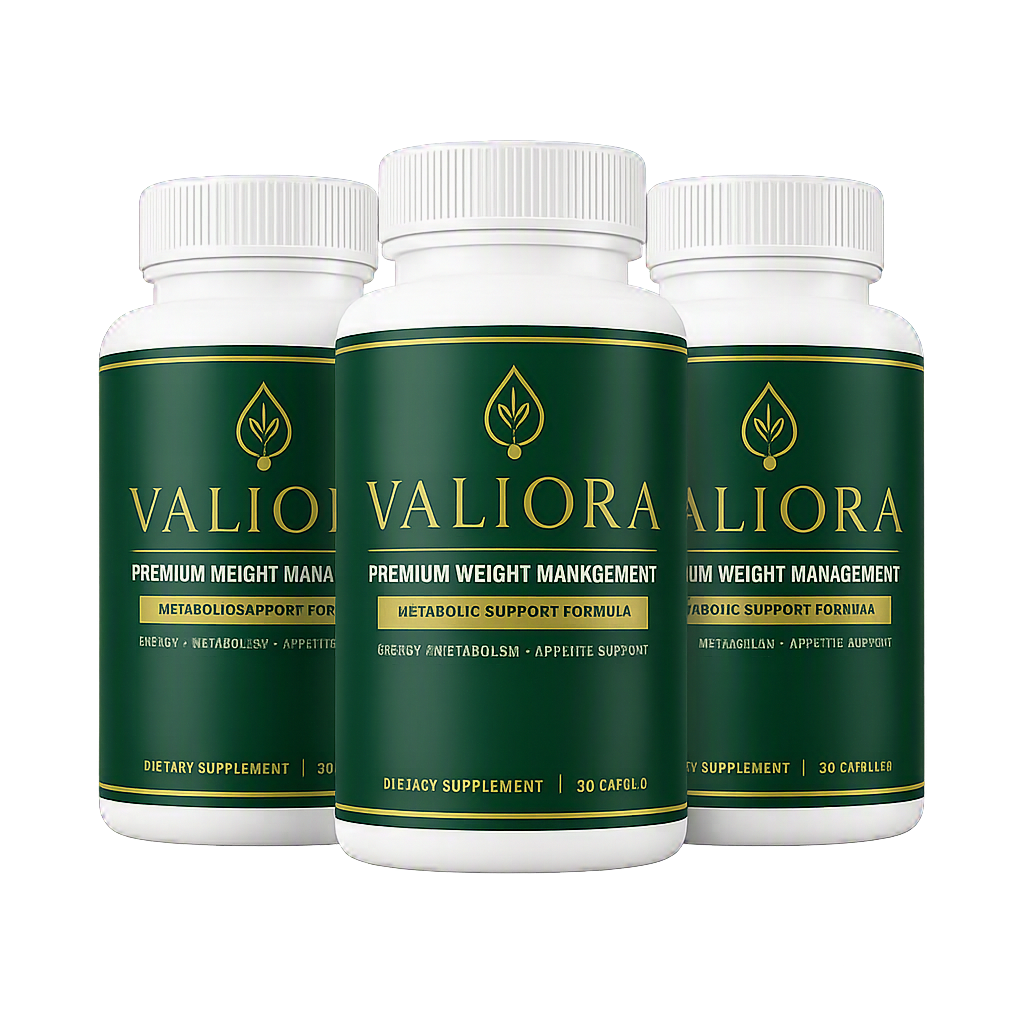
Valiora is a once-daily capsule dietary supplement marketed for weight management, metabolic support, active-day energy and appetite-conscious routines. Each bottle holds 30 capsules, making one bottle a 30-day supply. The seller names three actives — Green Tea Extract, Apple Cider Vinegar and Berberine HCl — held in a proprietary blend, with magnesium stearate correctly listed as an excipient rather than an active.
It is a dietary supplement rather than a medicine, and it is not FDA-approved. Packages run $59 to $234 with a 60-day money-back guarantee and no subscription. The central problem is not the ingredient selection, which is defensible. It is that not one milligram amount is published anywhere, in a formula whose lead ingredient is dosed in grams.
Before anything else: berberine works the opposite way to most herbal interactions, and it is contraindicated in pregnancy. Most people assume a botanical either does nothing or weakens a medicine. Berberine inhibits CYP3A4, CYP2D6 and CYP2C9, which means it can raise blood levels of drugs your prescriber has carefully titrated — statins, cyclosporine and many others. It also lowers blood glucose on its own, so stacked onto metformin, insulin or a sulfonylurea it can contribute to hypoglycaemia. And because it displaces bilirubin from albumin, it is contraindicated in pregnancy, breastfeeding and newborns, where the documented concern is kernicterus. If you take any regular medication, or are pregnant or nursing, speak to a pharmacist before ordering.
Strip away the marketing and the proposition is unusually modest for this category: one green-and-gold bottle of thirty capsules, one a day, positioned explicitly as something that supports the habits you already have rather than replacing them. The seller says so in plain language, more than once, and it is a more honest frame than most weight-management pages manage.
The ingredient logic is defensible too. Berberine has genuine metabolic research behind it. Green tea catechins have been studied for thermogenesis and fat oxidation. Apple cider vinegar has small but real effects on gastric emptying and post-meal glucose. Nobody assembled this list by throwing darts. Our page on what Valiora is works through the product and who it suits in detail.
What we take issue with is what happens next. The page tells you a great deal about building a routine and almost nothing about the formula. Berberine HCl — the most pharmacologically active compound in the bottle, with real drug interactions and a pregnancy contraindication — is described in fourteen words as “a plant-derived compound included as one component of Valiora’s broader daily wellness formula.” That is a sentence that manages to say nothing at all about the ingredient most likely to affect you.
There is also a timing point worth naming early. Berberine trials measuring metabolic markers generally ran eight to twelve weeks. The refund window closes at day 60. Those two numbers do not fit together, and the gap between them is where buyers lose money.
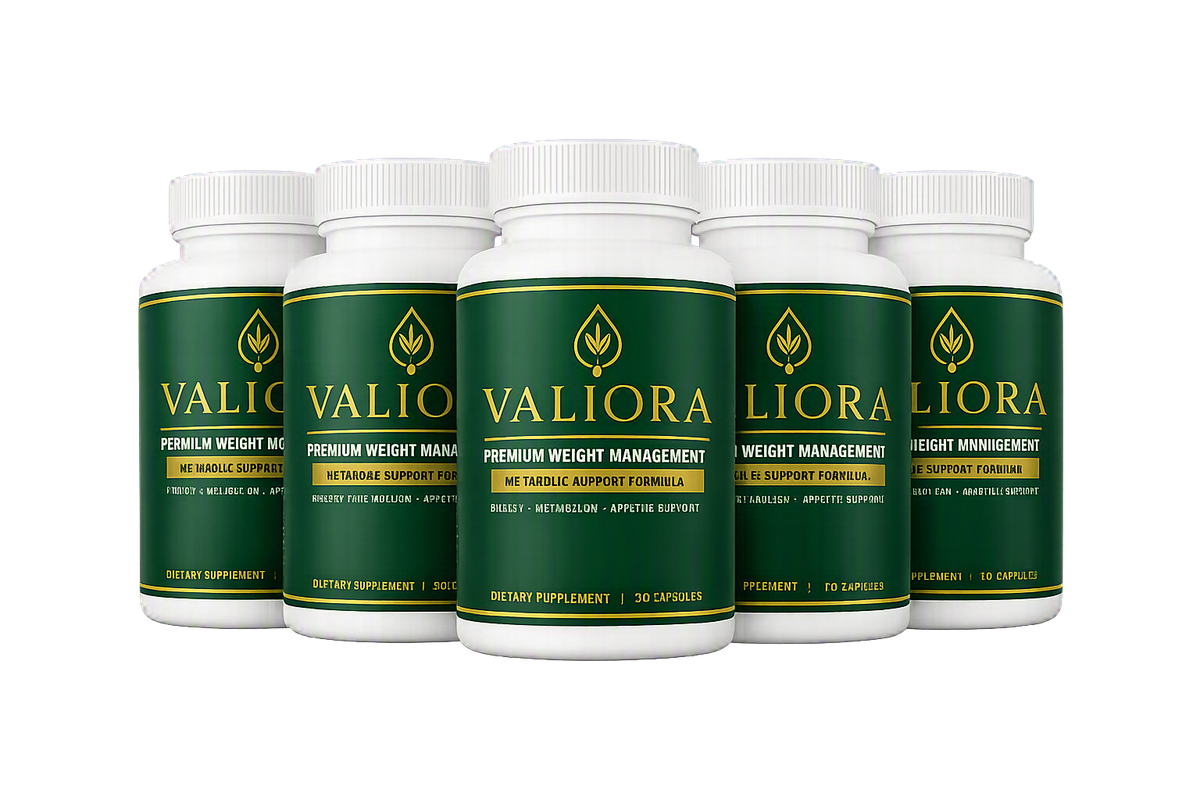
When a seller will not publish its doses, there is still one thing you can establish: how much a capsule holds. That number does not depend on anyone’s cooperation, and it settles more than you would expect.
Valiora is a single daily capsule containing a proprietary blend. No individual amounts are published anywhere — not on the website, not in the FAQ. So instead of guessing, here is the one thing that can be established without them: the physical ceiling. A large size-0 capsule holds roughly 800 mg of powder in total. The shaded band below is that ceiling. The gold bars are what the research on each named ingredient actually used.
The shaded band on every bar below is what one capsule holds — about 800 mg, shared between all three ingredients. Everything past the line is what the research used and the capsule cannot carry.
Read it this way. Berberine alone, at the low end of its researched range, needs more than one capsule can hold — which is why berberine trials dose it two or three times a day rather than once. Add green tea extract and apple cider vinegar at their researched amounts and you are asking a single 800 mg capsule to carry 1,950–3,800 mg. That is not a criticism of this brand specifically; it is arithmetic that applies to every once-daily three-ingredient blend on the market. What it means for you is simple: at least one of these ingredients is well below its researched dose, and without a published panel there is no way to know which.
What would resolve this instantly. Publishing the panel. If the three amounts are generous, saying so is free marketing and would end the argument in one sentence. Ask customer service for the milligram breakdown in writing before you order — and see the complete ingredient breakdown for what to ask about.
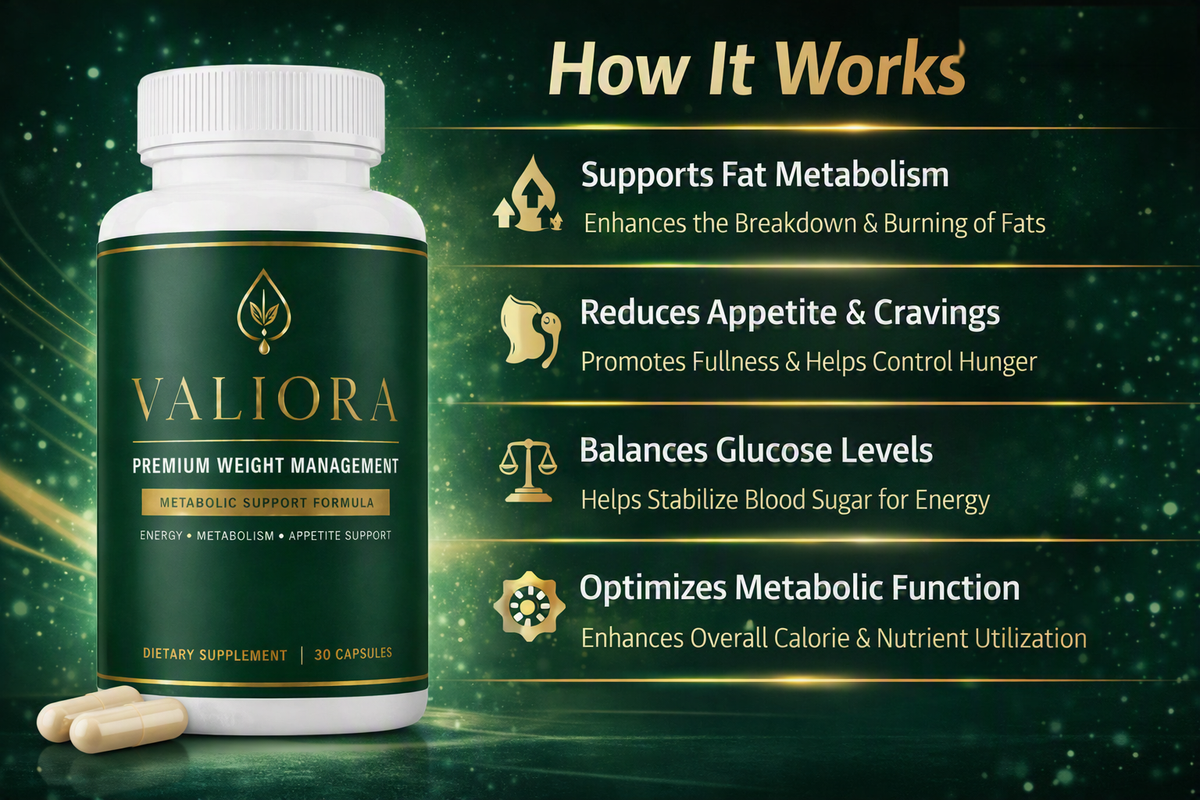
Three pathways, and unusually for this category all three describe real physiology. The question is not whether the mechanisms exist. It is whether one capsule a day delivers enough of anything to move them.
AMPK activation and glucose handling. Berberine activates AMP-activated protein kinase, a genuine master switch in cellular energy metabolism, and improves insulin sensitivity through it. This is the best-evidenced pathway here by a wide margin, and it is also the one that creates the interaction profile.
Thermogenesis and fat oxidation. Green tea catechins, particularly EGCG, have been studied for modest increases in energy expenditure and fat oxidation. Effects in human trials are small and clearest when caffeine is present — and whether this extract is caffeinated is not stated.
Gastric emptying and satiety. Acetic acid slows how quickly the stomach empties, which blunts the post-meal glucose rise and increases fullness. Real, small, and studied with liquid vinegar taken alongside meals rather than a powder taken once daily.
And the claim the artwork adds. The manufacturer graphic includes “Detoxify the Body.” Detoxification is performed by your liver and kidneys. Nothing in this formula has been shown to enhance that process, and the word is doing marketing work rather than describing a mechanism.
Find your situation below. Berberine is the reason this board is longer than you might expect for a three-ingredient supplement. This is a summary of documented interaction categories, not a complete list and not medical advice — take the label to a pharmacist.
Berberine crosses the placenta and displaces bilirubin from albumin. The documented concern is kernicterus, a form of brain injury in newborns. This is the clearest contraindication attached to any ingredient in this formula, and it is not mentioned on the seller’s page.
Berberine’s CYP3A4 inhibition has been shown to substantially increase cyclosporine exposure. For anyone on immunosuppression, that is a therapeutic-window problem, not a theoretical one.
Berberine lowers blood glucose independently, so it stacks onto glucose-lowering therapy and can contribute to hypoglycaemia. It also raises metformin exposure through transporter effects. Test more often for the first few weeks and tell your prescriber what you started.
Inhibiting CYP3A4 raises the blood level of drugs metabolised by it. With statins that means a higher exposure than your prescriber intended, and a correspondingly higher muscle-related risk. The same logic applies to many calcium channel blockers and some sedatives.
Berberine can displace warfarin from protein binding and affect its metabolism. Any new botanical belongs in a pharmacist conversation when anticoagulation is involved.
Concentrated green tea extract has been linked to rare but serious liver injury. If you have liver disease, or take medication that stresses the liver, this ingredient deserves a specific conversation rather than a general one.
Regular apple cider vinegar intake has been associated with lowered potassium in case reports. That matters alongside potassium-wasting diuretics and digoxin.
Constipation, cramping, diarrhoea and nausea are the most commonly reported berberine effects and are dose-related. Taking it with food helps. If it persists beyond a fortnight, stop.
Interaction risk drops considerably. The honest question then becomes whether an undisclosed once-daily blend justifies the price — see the capsule ceiling above.
You take no regular medication, you are not pregnant or nursing, and you want nutritional support alongside food, movement and sleep rather than instead of them.
You take anything daily. Berberine raises drug levels rather than lowering them, which is the opposite of what most interaction advice prepares you for.
Unexplained weight change, persistent fatigue or a sudden appetite shift. Thyroid disease, diabetes and depression all present this way and all are treatable.
The bar on each row measures one thing: how much published human research supports that ingredient for weight management and metabolic markers — not for antioxidant capacity in a dish, not for something adjacent. This is separate from the dose question above: an ingredient can have excellent evidence and still be under-delivered.
The most pharmacologically serious ingredient here and the one with the strongest research. Berberine activates AMPK, a central regulator of cellular energy, and human trials have reported meaningful improvements in fasting glucose, HbA1c and lipid markers — some comparing it favourably against standard oral diabetes therapy. That is a genuine evidence base. The difficulty is delivery: those trials used 900–1,500 mg daily, split across two or three doses, because berberine has poor oral bioavailability and causes gastrointestinal upset when taken all at once. A single daily capsule is the wrong vehicle for it.
Catechins, principally EGCG, have been studied for thermogenesis, fat oxidation and insulin sensitivity, with modest and inconsistent human results — the clearest effects appear alongside caffeine, and it is not stated whether this extract is caffeinated. The more important point is one the marketing never makes: concentrated green tea extract has been associated with rare but serious liver injury, prompting regulatory warnings and cautionary labelling in several jurisdictions. Drinking green tea and swallowing a concentrated extract of it are not equivalent acts.
Acetic acid has small but real documented effects: it slows gastric emptying and blunts the post-meal glucose rise, and a handful of small trials have reported modest weight change over several months. Those trials generally used liquid vinegar with meals — typically one to two tablespoons — not a powdered extract in a capsule taken once a day. Dehydrated ACV also loses the acetic acid content that does the work unless it is standardised for it, which is not stated. It is a reasonable ingredient with an unreasonable reputation.
Listed by the seller under “Other Ingredients” and correctly described as a manufacturing aid rather than an active. It is a flow agent that stops powder sticking to machinery, used in a very large share of capsules and tablets, and the internet panic about it is not supported by evidence at the amounts used. We include it here only so the list is complete — the seller was transparent about this one, and that deserves noting.
What is missing is informative too. A three-ingredient blend is a choice, and the choice excludes several things with more direct evidence for appetite and satiety — soluble fibre such as glucomannan, protein, and simply more of what is already here at a proper dose. Chromium and alpha-lipoic acid both have more glycaemic data than apple cider vinegar. None of that makes this formula bad; it makes it narrow, and narrow is only a virtue when the few ingredients present are dosed properly. Which brings you back to the capsule ceiling.

The manufacturer artwork promises six things. The ingredient research supports two of them reasonably well, two weakly, and two not at all. Here is the honest version.
| Buyer check | Published here | Official Valiora page |
|---|---|---|
| Individual doses | Flagged undisclosed, with the ceiling shown | Proprietary blend, no amounts |
| Supplement facts panel | Stated as not shown | Referenced but never displayed |
| Berberine interactions | Full board, 9 categories | Generic boilerplate only |
| Pregnancy contraindication | Named explicitly | Not mentioned |
| Green tea liver signal | Stated plainly | Not addressed |
| Realistic timeline | ~90 days, from the trials | “Experiences vary” — fair, if vague |
| Refund conditions | Return requirement flagged | Stated, though easy to miss |
| Anchor pricing | None to correct | None used — genuinely |
| Subscription clarity | Confirmed one-time | Stated clearly and repeatedly |
| Disease claims | None made | None made |
Reflects the official Valiora marketing page as reviewed in August 2026. Note that three rows go the seller’s way — this page is more compliant than most in the category. Pages change; verify current claims yourself.
“Four stars. Three months in, my post-meal energy dips are noticeably less severe, which I’d put down to the berberine even at an unknown dose. I also cut evening snacking after reading the guides, so I can’t separate the two. No dramatic transformation, but I went in expecting the right thing because of this site.”

“I take cyclosporine after a transplant and had no idea a herbal capsule could raise my levels. My pharmacist was emphatic once I showed her the ingredient list. I didn’t buy it. That single paragraph was worth more to me than any discount.”

“Three stars. The first fortnight gave me real stomach cramping, which the seller never warns about — it settled, and reading here afterwards the berberine explanation made immediate sense. Two bottles later I can’t point to anything on the scale. I do appreciate that there was no subscription to cancel.”

Testimonials are individual experiences and are not a guarantee of results. Portraits are illustrative stock images, not photographs of the reviewers. There is currently no independent third-party review record for Valiora on platforms such as the BBB or Trustpilot — we would rather tell you that than imply a track record that does not yet exist. Read the full independent review.
Berberine trials generally ran eight to twelve weeks. The refund window closes at day 60. That mismatch is the most useful thing to know before you choose — and it is why the six-bottle price is the best per-day value and the worst first purchase.
30-day supply
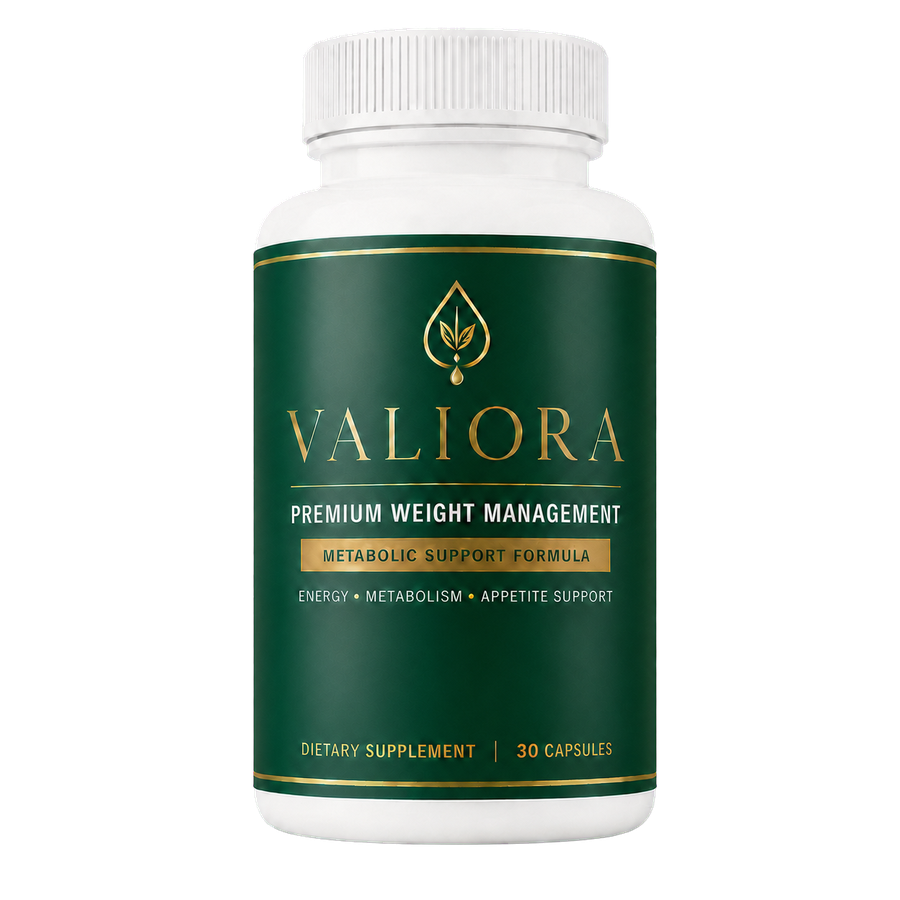
$59.00 total
90-day supply
$147.00 total · free US shipping
180-day supply
$234.00 total · free US shipping
Credit where it is due: there is no fake anchor price here. Most pages in this category invent a “regular price” nobody has paid and measure a discount against it. Valiora does not. It simply shows $59, $49 and $39 per bottle, and every total multiplies correctly: $49×3 = $147, $39×6 = $234. There is no countdown timer, no stock counter and no claimed “#1” ranking either. That restraint is worth naming, because it is rare, and because it makes the criticisms elsewhere on this page easier to weigh.
What we would still point out: the seller recommends judging the product over a sustained routine, while the guarantee closes at day 60. On a per-day basis the packages work out at roughly $1.97, $1.63 and $1.30.





Package pricing verified 2026-08-20 against the official order page. Confirm your final total, including tax and shipping, before submitting your order.
The guarantee is real and clearly stated. The one detail worth reading twice is that it expects a return, which is a different proposition from a keep-the-bottles refund.
Sixty days. Your order confirmation email carries the date that matters, and processing plus shipping eats into it before the bottle arrives. Diarise day 50.
The policy asks you to contact support within the window and then follow the return instructions. Write before you post anything, and keep the timestamped copy.
“Follow the return instructions in our policy” means product goes back. Ask whether opened bottles count and who pays the postage.
The ingredient trials ran 8–12 weeks; the guarantee covers 60 days. Decide inside the window that protects your money.
One thing you will not need to worry about: there is no subscription to cancel. The seller states plainly that every order is a one-time payment with no autoship. In a category where unwanted rebills are the single most common complaint, that is worth saying clearly. Verify it on the checkout screen anyway and screenshot it. Full detail on the refund policy page.
Valiora is a once-daily capsule dietary supplement marketed for weight management, metabolic support, active-day energy and appetite-conscious routines. Each bottle holds 30 capsules, making one bottle a 30-day supply. The seller names three actives — Green Tea Extract, Apple Cider Vinegar and Berberine HCl — held in a proprietary blend, plus magnesium stearate listed as an excipient. It is a dietary supplement, not a medicine, and it is not FDA-approved. Full detail on the ingredients page.
No. Not one. The formula is described as a proprietary blend and no milligram amounts appear on the website, in the FAQ or in the ingredient descriptions. The page directs you to “refer to the product label” for amounts, but the label is not shown anywhere on the site. That matters here more than in most categories, because berberine’s research doses are well established at 900–1,500 mg daily — more than a single capsule can physically hold. See the capsule ceiling.
Not without asking a pharmacist first, and the reason is specific. Berberine inhibits CYP3A4, CYP2D6 and CYP2C9, so it raises the blood level of many prescription drugs rather than lowering it — the opposite of what most people expect from a botanical. Documented concerns include cyclosporine, statins and warfarin. Berberine also lowers blood glucose independently, which stacks onto diabetes medication.
No. Berberine crosses the placenta and displaces bilirubin from albumin, and the documented concern in newborns is kernicterus — a form of brain injury. Berberine is contraindicated in pregnancy, in breastfeeding and in infants. The seller’s page carries only generic boilerplate advising a healthcare conversation; it does not name this specific contraindication anywhere.
No, and no dietary supplement is. The FDA does not approve supplements the way it approves prescription drugs — there is no pre-market approval and no requirement to demonstrate efficacy before sale. Facilities are registered and subject to inspection, which is a different thing from being approved. To its credit, the seller states GMP-certified manufacturing rather than claiming FDA approval.
Three packages: one bottle at $59; three bottles at $147 total ($49 each) with free US shipping and three digital guides; and six bottles at $234 total ($39 each) with the same extras. That is roughly $1.97, $1.63 and $1.30 a day. Notably, there is no inflated “regular price” anchoring those figures and every total multiplies correctly — which is more restraint than this category usually shows. Current pricing is on the Valiora official website.
The seller is unusually careful here, saying experiences vary and that the product is designed to complement rather than replace nutrition, movement, hydration and sleep. Judged by its ingredients: berberine trials measuring metabolic markers generally ran 8–12 weeks, and the small ACV weight trials ran around 12. So roughly 90 days is a fair assessment window — which sits a month beyond the 60-day refund deadline.
By ingredient: berberine commonly causes constipation, cramping, diarrhoea and nausea, all dose-related, and carries the interaction profile described above. Concentrated green tea extract has been associated with rare but serious liver injury. Apple cider vinegar can erode dental enamel and has been linked to lowered potassium with regular intake. The finished product has not been studied, so its combined profile is not independently established.
Yes — 60 days. Read the wording carefully though: the policy asks you to contact customer support within the guarantee period and then follow the return instructions. That is a return requirement, which is a different proposition from a no-questions refund. Confirm what applies to your order in writing. Full detail on our refund policy page.
No, and the seller states this plainly: every order is a one-time payment with no autoship, no recurring subscription and no hidden monthly charge. In a category where pre-ticked subscription boxes are a routine complaint, that is a genuine point in its favour and worth stating clearly. Verify it on the checkout screen anyway, and screenshot it.
Through the Valiora official website, which routes checkout through a third-party order platform. No authorised retail listing has been identified. Be aware that the name “Valiora’ is used by numerous unrelated businesses — a homeware store, a baby brand, an app studio, a UK wholesaler — so confirm you are on the page whose ingredient list matches the bottle you intend to buy.
There is no evidence of that, and this page is more restrained than most in the category: no fake countdown, no invented anchor price, no disease claims, no “#1” badge, an explicit testimonial disclaimer, and a clear statement that the supplement complements rather than replaces diet and exercise. Our criticisms are narrower and specific: not a single dose is published, the berberine contraindications are absent, the ingredient descriptions say almost nothing, and the supplement facts panel is referenced but never shown. Our full review weighs whether that adds up to a purchase worth making.
Clinical reviewer
Board-certified ambulatory care pharmacist with eleven years reviewing botanical drug interactions. Signs off every safety claim on this site, including the berberine contraindications and the interaction board above.
Editor
Consumer health editor. Verifies label data, published dosages, pricing and refund terms against primary sources before anything goes live. Read our editorial policy.